
What Conditions Can Medical Massage Treat?
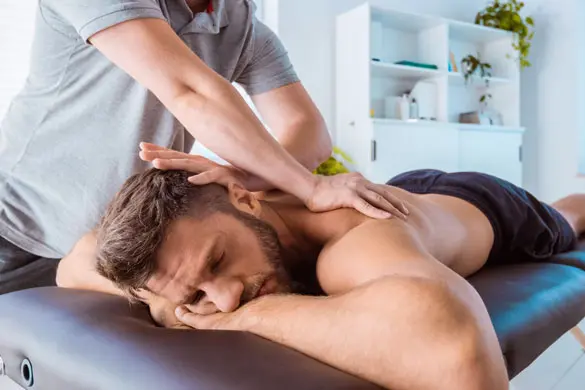
Medical massage is often misunderstood as a luxury or a simple relaxation tool. In reality, it is a targeted intervention designed to address specific clinical diagnoses. At Results Medical Massage and Bodywork, the focus is on identifying the root cause of dysfunction rather than just soothing surface-level tension.
Since 2017, the practice has helped clients and patients manage chronic conditions through techniques that are both medically grounded and scientifically validated. If you are searching for relief from a persistent ache or a structural issue, understanding what medical massage can treat is the first step.
Chronic Back Pain and Structural Imbalances
Low back pain remains one of the most common reasons people seek out physical medicine. Long commutes and sedentary office work can contribute to poor posture and weakened core stabilizers. Medical massage can address the muscles, fascia, and connective tissue that supports the spine. When soft tissue becomes tight or imbalanced, they pull the skeleton out of alignment.
For those living with lumbar strain or stiffness, targeted back therapy offers a noninvasive route to relief. People often spend considerable time commuting to and from work, which places sustained pressure on the lower back. By releasing tension in the erector spinae and quadratus lumborum, pressure on the vertebral discs can decrease. This approach is also effective for individuals dealing with disc bulges or general spinal fatigue from prolonged sitting.
Sciatica and Nerve Compression
Sciatica is not a condition itself but a symptom of an underlying issue, usually compression of the sciatic nerve. This nerve runs from the lower back through the hips and down each leg. When the piriformis muscle beneath the gluteal muscles tightens or goes into spasm, it can trap the nerve, causing radiating pain, tingling, or numbness.
Medical massage works to relax the piriformis and surrounding hip rotators. Those seeking sciatica massage often find that consistent therapy reduces the frequency and intensity of flare ups. People who travel frequently report that long periods of sitting in transit aggravate their symptoms. By keeping the soft tissue pliable, the nerve has more room to glide without impingement.
Headaches and Migraine Disorders
Tension in the neck, upper back, and jaw frequently triggers headaches. Many people who suffer from chronic migraines also deal with suboccipital muscle tightness. These small muscles at the base of the back of the skull can refer pain up and over the head, mimicking migraine symptoms.
The bright sun and high pollen counts can also act as triggers for sensitive individuals. Migraine massage focuses on releasing these suboccipital muscles along with the sternocleidomastoid along the side of the neck and upper trapezius (shoulders). People who work in industrial or warehouse settings often carry additional tension in their shoulders, compounding the problem. When the soft tissue tension decreases, the nervous system calms down. Clients regularly report fewer headache days and a reduction in the intensity of their symptoms.
Temporomandibular Joint (TMJ) Dysfunction
The temporomandibular joint, or TMJ, connects the jaw to the skull. Dysfunction in this area can cause jaw clicking, facial pain, tooth grinding, and even earaches. Stress often exacerbates this condition, as people clench their jaws during sleep or concentrated work.
Medical massage for the jaw can involve intraoral and extraoral techniques to release the masseter, temporalis, and pterygoid muscles. For those looking for TMJ treatment, this hands-on approach can restore normal jaw motion and alleviate referred pain patterns. Many individuals who work in manufacturing and technical fields practicing sustained focus leads to unconscious teeth clenching throughout the day.
Athletic Injuries and Muscle Strains
Active individuals and "weekend warriors" often push their bodies to the limit. Warmer climates allow for year round outdoor activity, from cycling to pickup basketball games at local parks. When a muscle is overstretched or torn, it forms scar tissue during the healing process. This scar tissue can shorten the muscle and create weakness or tightness.
Sports massage utilizes deep tissue manipulation and cross fiber friction to break down adhesions. Runners training for marathons frequently rely on this approach to keep their soft tissue healthy. Similarly, injury massage, targets specific trauma sites to speed recovery and prevent compensatory injuries in other areas of the body. People involved in rodeos and equestrian sports find particular value in maintaining muscle balance through regular therapy.
Extremity Conditions and Joint Pain
Medical massage is not limited to the spine and jaw. It is highly effective for the shoulders, elbows, wrists, hips, knees, and ankles. Conditions like frozen shoulder, golfers and tennis elbow, carpal tunnel syndrome, and plantar fasciitis all respond well to soft tissue work.
For those dealing with chronic knee or hip issues, medical massage addresses the muscles that attach around the joint. Many people spend their days in desk chairs and their evenings on soccer fields or golf courses. When the quadriceps, hamstrings, or glutes are too tight, they can pull the hip joint out of alignment, accelerating wear and tear. Keeping these muscles balanced preserves joint health for both work and leisure activities.
Back Pain and Spinal Decompression
Discs along the spine act as cushions between the vertebrae. When a spinal disc degenerates or herniates, it can cause significant pain and nerve symptoms. While massage cannot put spinal discs back in place, it can relieve the muscular splinting that occurs around the injury.
When the body senses instability, it tightens muscles to protect the area. This creates a cycle of pain and restricted motion. Back pain massage releases these protective muscle spasms, allowing the spine to move more freely and reducing pressure on spinal discs. People who commute to and from work often notice that traffic congestion worsens their symptoms, making regular maintenance therapy essential.
Posture Correction and Muscle Imbalances
Modern life involves hours of sitting, looking down at phones, and hunching over computers. Over time, the body adapts to these positions. Certain muscles become short and tight, while others become long and weak. This is known as upper and lower crossed syndrome.
Posture therapy uses specific massage techniques to release the tight muscles, such as the pectorals and hip flexors, while also using positional release to encourage activation of the weak muscles, like the deep neck flexors and glutes. People can spend countless hours hunched over laptops and textbooks. Improved posture reduces strain on the spine and internal organs, helping you maintain focus and energy.
Silicone Cupping Therapy for Soft Tissue Mobility
Cupping is an ancient technique that has gained modern validation. Specifically, silicone cupping uses suction to lift the fascia, the web of connective tissue that covers muscles. When fascia becomes dehydrated or stuck down, it restricts movement and causes pain.
The suction from cups creates space in the tissue, allowing for better blood flow and glide. Silicone cupping is particularly useful for large muscle groups like the back and legs. For example, people use cupping to recover from extensive walking, gardening, home improvement projects, and recreational sports. It helps flush out metabolic waste and brings fresh oxygen to stagnant areas.
Hot Stone Massage for Muscle Relaxation
Heat has a profound effect on tight muscles. It vasodilates blood vessels, increasing circulation and bringing nutrients to the tissue. When combined with massage, heat allows the therapist to work deeper with less discomfort.
Himalayan hot stone massage uses Himalayan salt and smooth, heated stones placed on key points of the body. People juggling sports schedules, demanding careers, and community involvement often carry stress in their shoulders and upper back. The therapist may use heated stones as tools to perform massage. This modality is excellent for clients and patients who carry a lot of tension but are sensitive to deep pressure, offering a middle ground between relaxation and therapeutic work.
Choosing the Right Approach
Medical massage is not a one-size-fits-all modality. Each condition requires a specific strategy. At Results Medical Massage and Bodywork, every medical massage session begins with an assessment. This ensures the protocols and techniques used are appropriate for the diagnosis and the individual.
Whether you are dealing with a recent sports injury, a chronic pain condition worsened by your commute, or a structural imbalance from years of desk work, medical massage offers a path forward. The goal is always the same: restore function, reduce pain, and support the body’s natural ability to heal.
If you are ready to address your specific condition with a personalized treatment plan, book an appointment with Results Medical Massage and Bodywork today. Experience how targeted therapy can create lasting change.